The Call to Adventure aka The Challenge
How might we improve alignment between teams and SLTs so that resource allocation is optimized and goals are accomplished in a timely manner?

Overview
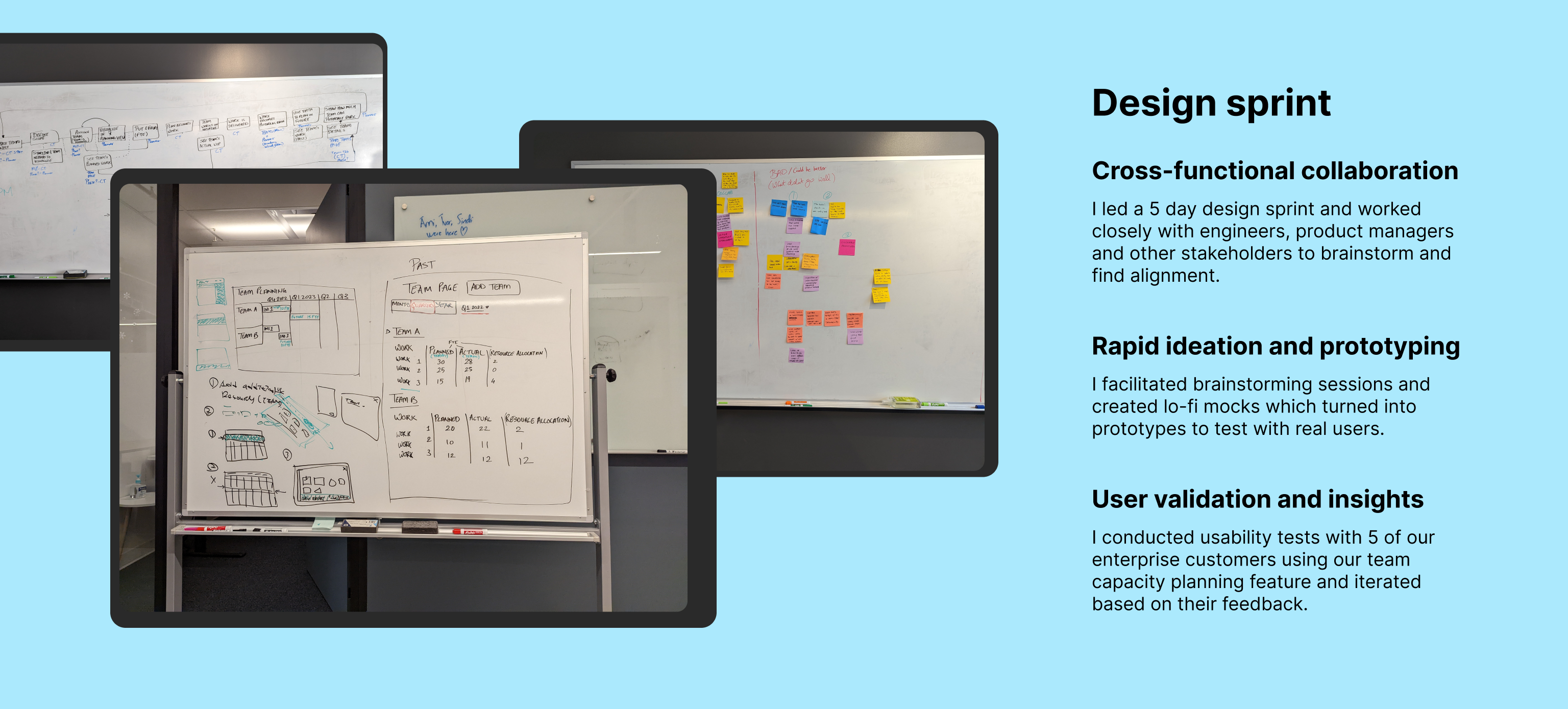
This initiative started as a 0-1 product that was supposed to launch in the Atlassian Marketplace. I spearheaded a design sprint in Montreal where my team and I spent 5 days identifying and aligning on the problem we were trying to solve. After talking to partners and customers, however, it was decided to release this as a feature in the existing Capacity Planner product.
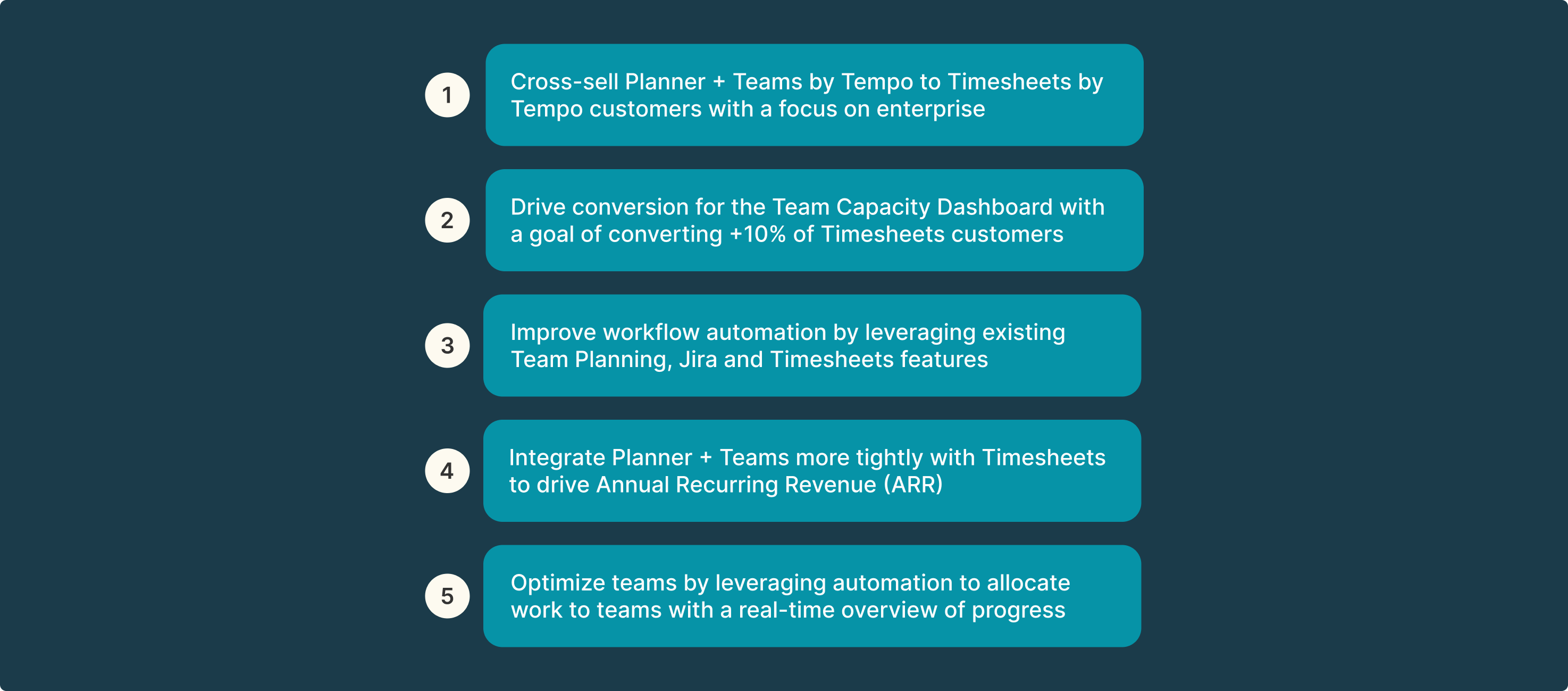

cross-sell
Collaboration with Growth
I worked closely with the Growth team to come up with a strategy to cross-sell Capacity Planner to Timesheets customers.
Only 20% of Timesheets customers use Capacity Planner and we identified an opportunity to surface Capacity Planner in the navbar for customers with Timesheets so that they can discover and learn about the product. This could lead to new trials and an increase in revenue if the product meets their use cases
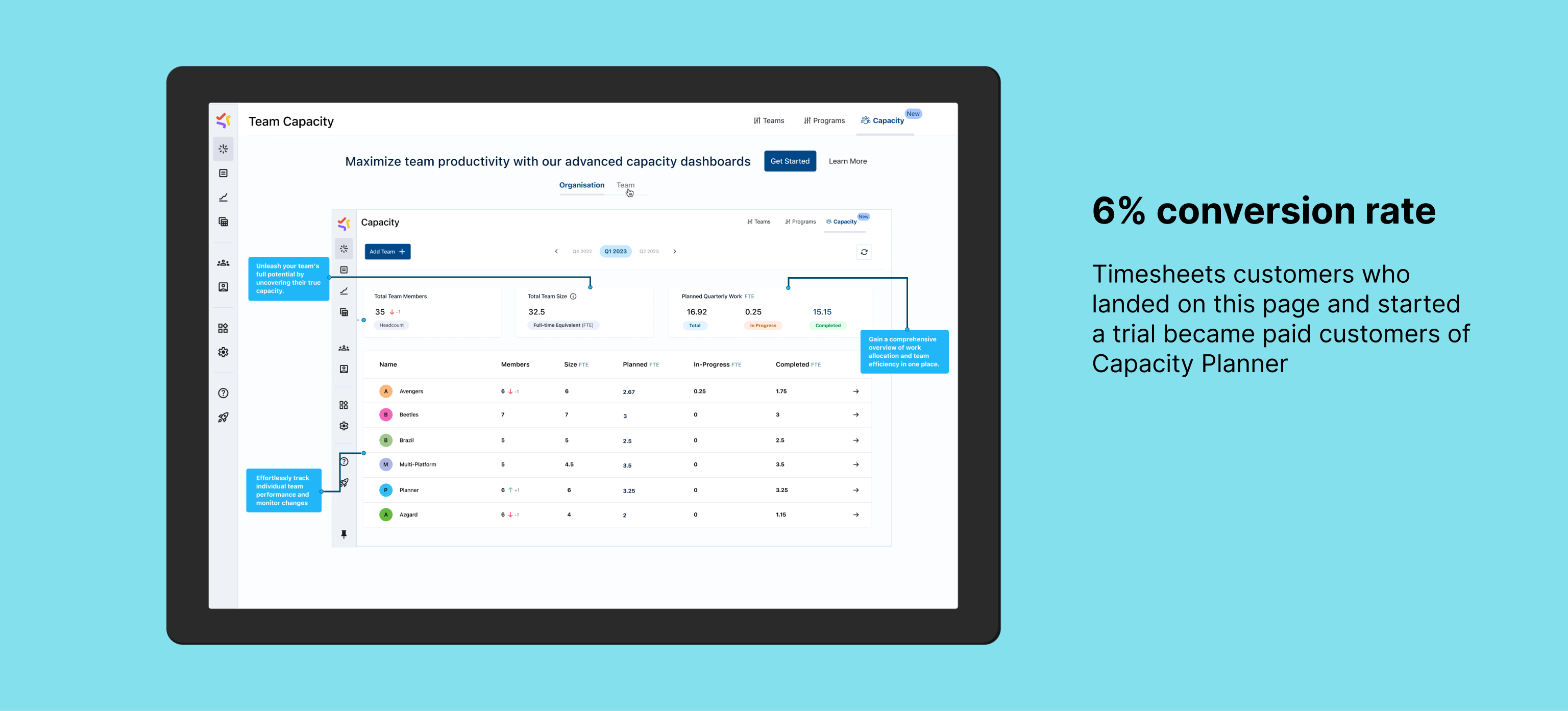
The Capacity Planner page highlights all of the major use cases that would benefit mid-sized and enterprise customers in particular. We worked closely with Sales to identify these.
Make it simple
Maximizing Efficiency using Automation
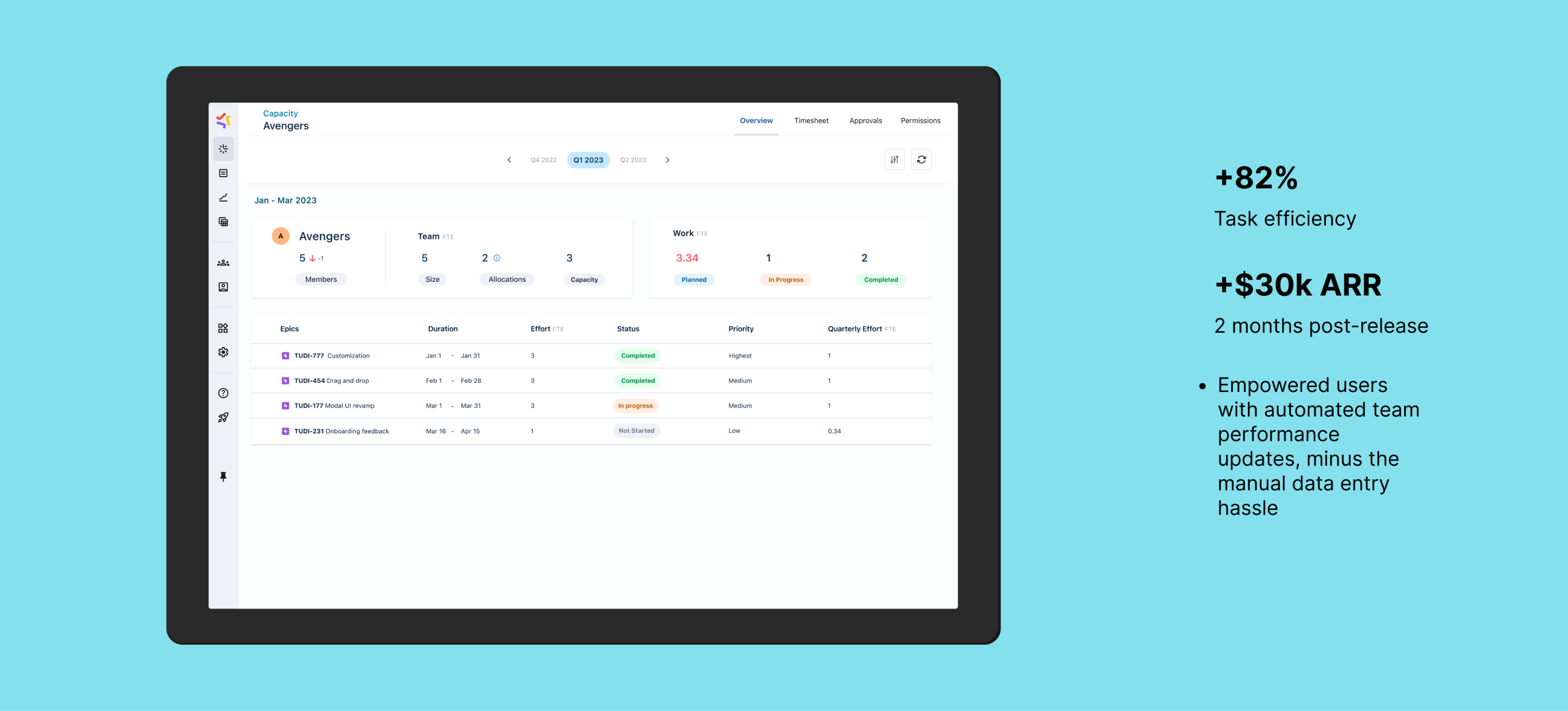
The Team Capacity Dashboard utilizes Jira original estimates with Planner by Tempo’s workload and holiday schemes to calculate team capacity efficiently. As a team manager, this helps in monitoring bandwidth across multiple teams, facilitating resource allocation and identifying potential over or under-allocation issues. The Team Capacity Dashboard offers insight into team size, work distribution, and progress. It showcases planned and available time in FTE, aiding in informed decisions regarding hiring needs and resource adjustments among teams.
This helps Product and Portfolio managers plan at a higher level by taking into account past and present team capacity information. The dashboard seamlessly integrates with the Team Planning feature in Planner by Tempo.
Make customers love you
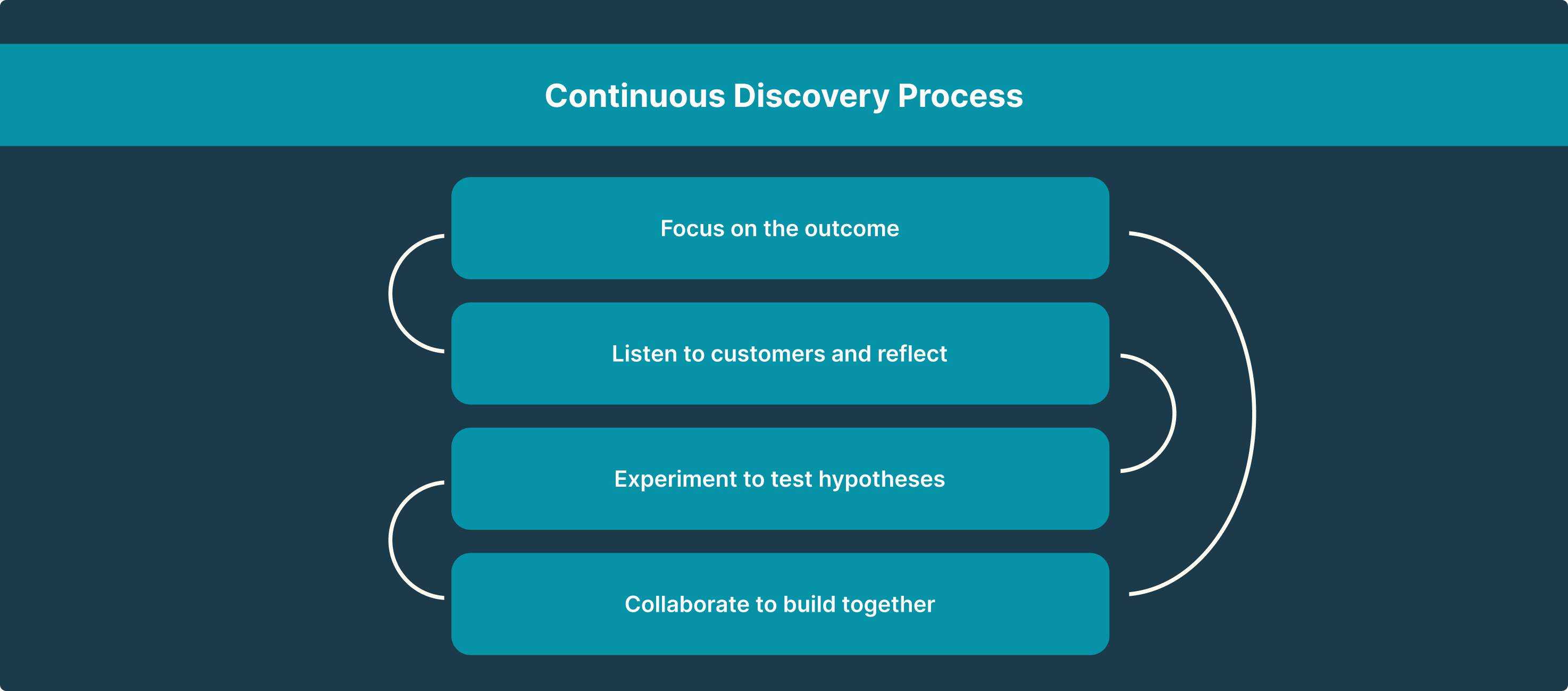
Observe, listen and learn
Talking to customers led to many discoveries about what they were looking for in their planning process. We heavily leaned into automation because folks hate planning and wanted us to leverage information that is already available through different sources to paint a picture for them that would quickly give them valuable insights.
Giving them information in FTE also meant that they could leverage this information for their budgeting and finance purposes. This made the dashboard stand out from our competitors.
Learnings
Outcome and Reflections
Increase in net new customers
The cross-sell page is currently performing at a conversion rate of 6% from trial-to-paid.
Timeboxing
It was my first time running a design sprint and I learned the importance of timeboxing. It was hard to stay on schedule because of how much energy everyone was putting into the brainstorming sessions, which led to us having to adapt to complete all of the tasks that we wanted to.
 Nicole Merchant