The Call to Adventure aka The Challenge
How might we streamline planning for teams by making the planning process more efficient by using automation, upgrading legacy features to pave a new path forward?
Optimizing teams for success
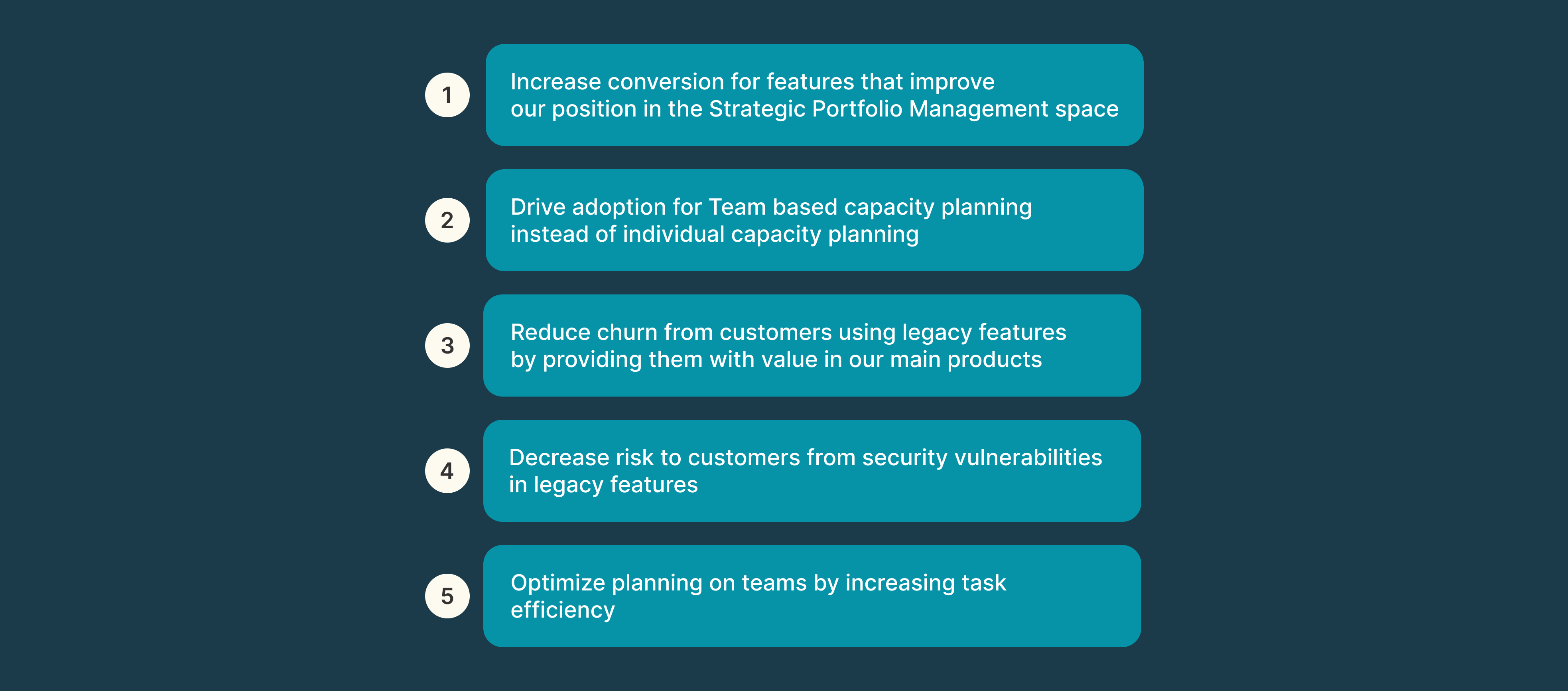
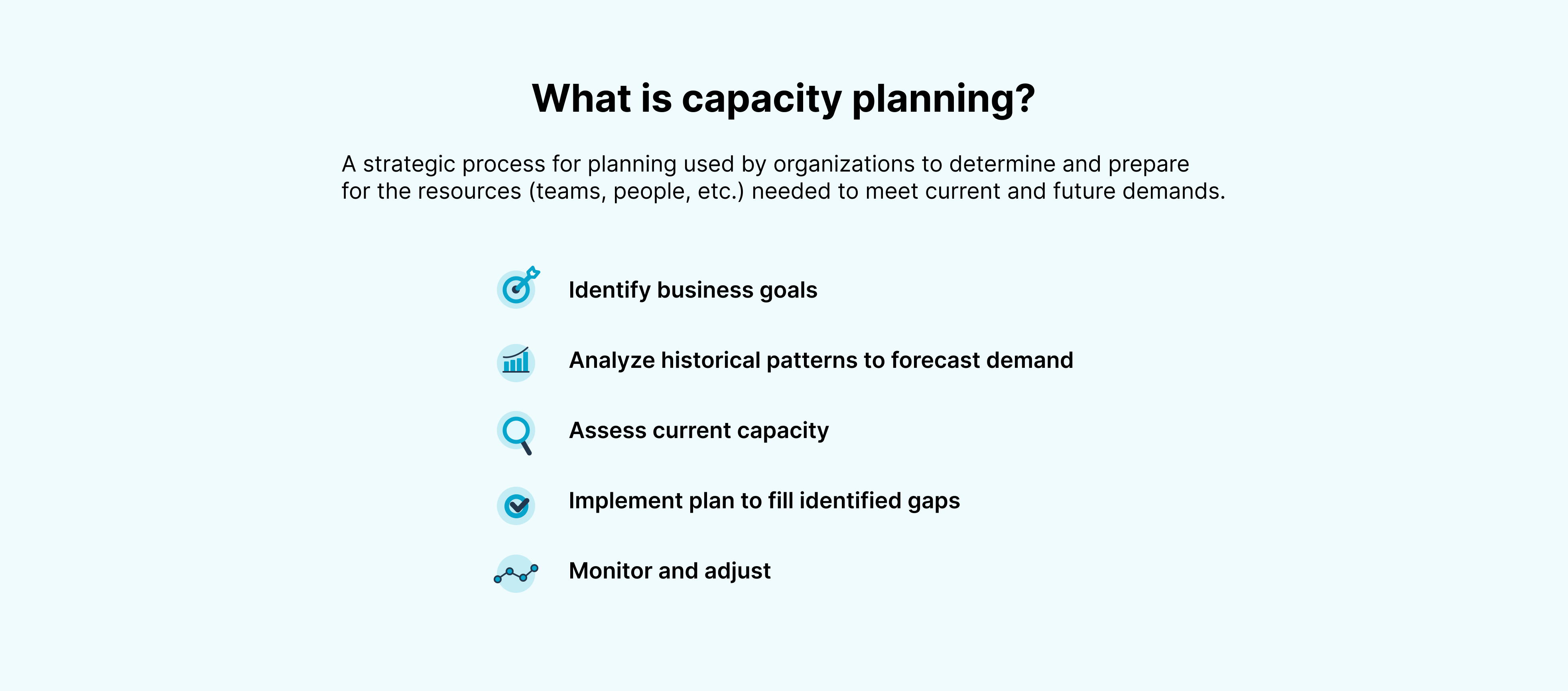
Planner by Tempo’s focus had been to enable planning on individual employees for the longest time. Strategically, the company was moving into the Strategic Portfolio Management space. We were also planning on shifting our focus from Agencies to Software development companies. This meant making our product more Agile focused and thinking of teams/tribes/squads instead of individuals.
Customers love our Teams feature and we had a lot of feedback for integrating it with other features to give them more value. We have a seamless exchange of information between this feature and the Team Capacity Dashboard.

not reinventing the wheel
Efficiently utilizing existing systems
Getting to the final solution involved going through a lot of iterations. Since we had a legacy feature that had to be deprecated, I collaborated closely with leadership as well as our engineering, customer success, and marketing teams to decide on the best possible way to bring this solution to life. This involved me following the product design process to brainstorm and ideate on what would bring the most value for our customers. I pushed for changes that would make this feature more useful while also aligning with our business strategy of moving into the Strategic Portfolio Management space.
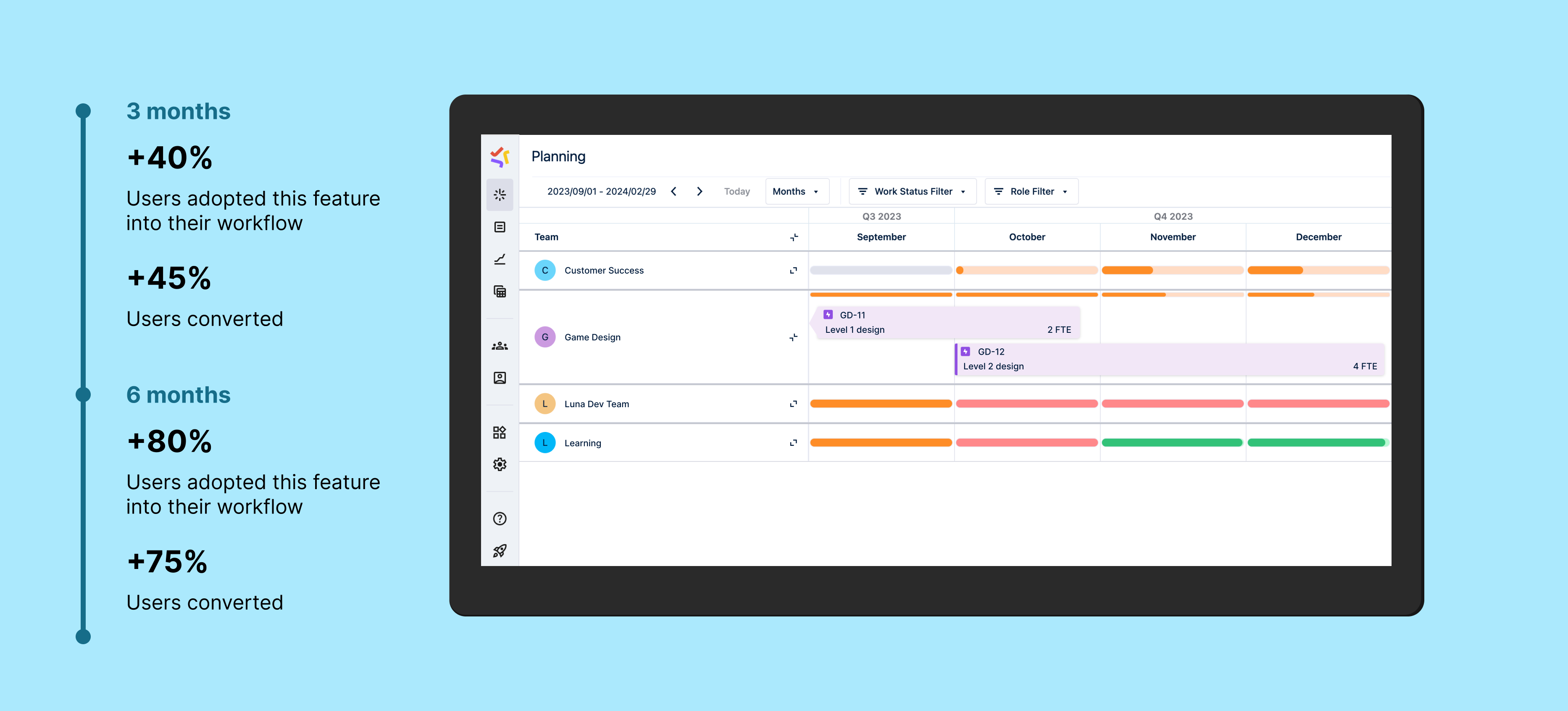
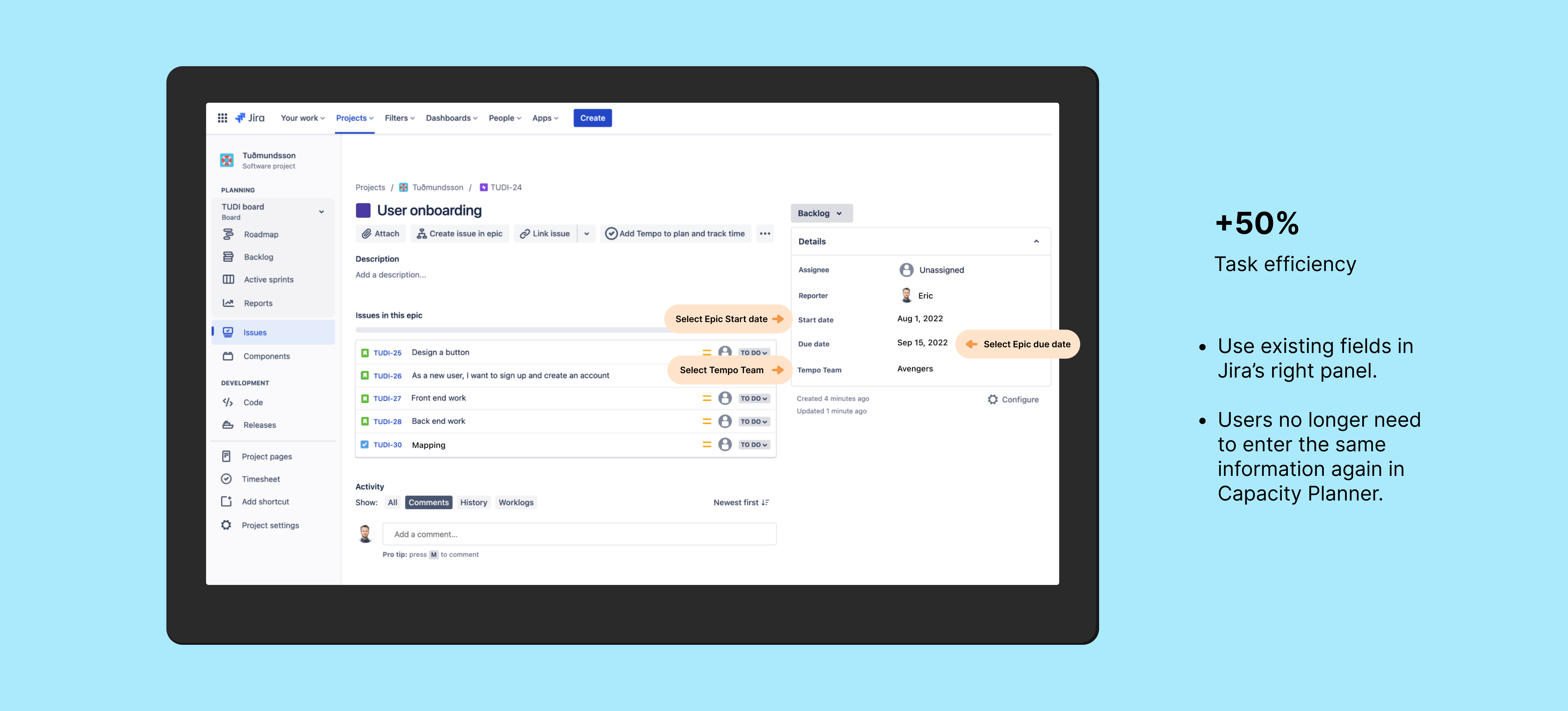
We identified what customers loved about the legacy feature and identified opportunities to go beyond. Existing in the Atlassian ecosystem gives us access to existing systems in place, like planning on Epics, using the Original Estimate field to calculate level of effort, etc. For the initial release we decided to utilize these processes to our advantage, which drove adoption, user conversion and task efficiency for the feature.
WHEN legacy becomes dangerous…
Keep shielding customers to keep their trust
My teammates over at the engineering department identified code in the legacy Team Planning feature that was a threat to customer safety. This was not just a threat to our customers using the legacy feature, but to ALL of our customers, our codebase as well as the reliability of our software. I collaborated with them to pave a path forward by identifying the top priorities for enterprise customers and focusing our design and development efforts on that.

Breathe a sigh of relief when risk goes down
I worked closely with my engineering peers to quickly identify which solutions brought the most value to our customers and had to be made available to our them immediately. This in turn would let us nuke the legacy feature as soon as possible.

listen and reflect
Saying “Please stay” doesn’t work on customers
We talked to enterprise customers to recognize opportunities for better integrating our product into their planning workflow. One of the major features that we implemented that led to customer retention was automatically converting Jira’s Original Estimate field on epics to Full-time equivalent (FTE). Full-time equivalent is a unit to measure effort and capacity.
Talking to enterprise customers gave us this Aha moment of converting estimated hours from Jira epics to FTE so that Product/Project Managers could match that to the team’s capacity in FTE (which Planner already provides). This helped customers find even more value in the new Team Planning workflow by tying it to Capacity Planning and led to higher retention.


All’s well that ends we- wait
Never stop learning
One of my main goals while working on this feature was to use the product design process to drive innovation in collaboration with Product Management, Engineering and Customer Success. Interacting with enterprise customers to understand their needs and frustrations helped us align on what we needed to build. I also enjoyed engaging with leadership and contributing to our overall product strategy. There were a lot of moving pieces which made things difficult, but finding the path forward as a team is very rewarding.
This initiative really drove home how talking to our customers, iterating quickly and delivering value continuously leads to success.
 Nicole Merchant